Exhibit / St. Paul 2027
1,225businesses are preparing to enter the market.
Who will they buy from?
Put your company in front of the growers, processors, manufacturers, retailers, microbusiness owners, entrepreneurs and buyers building Minnesota’s cannabis economy.
DatesJuly 30–31, 2027
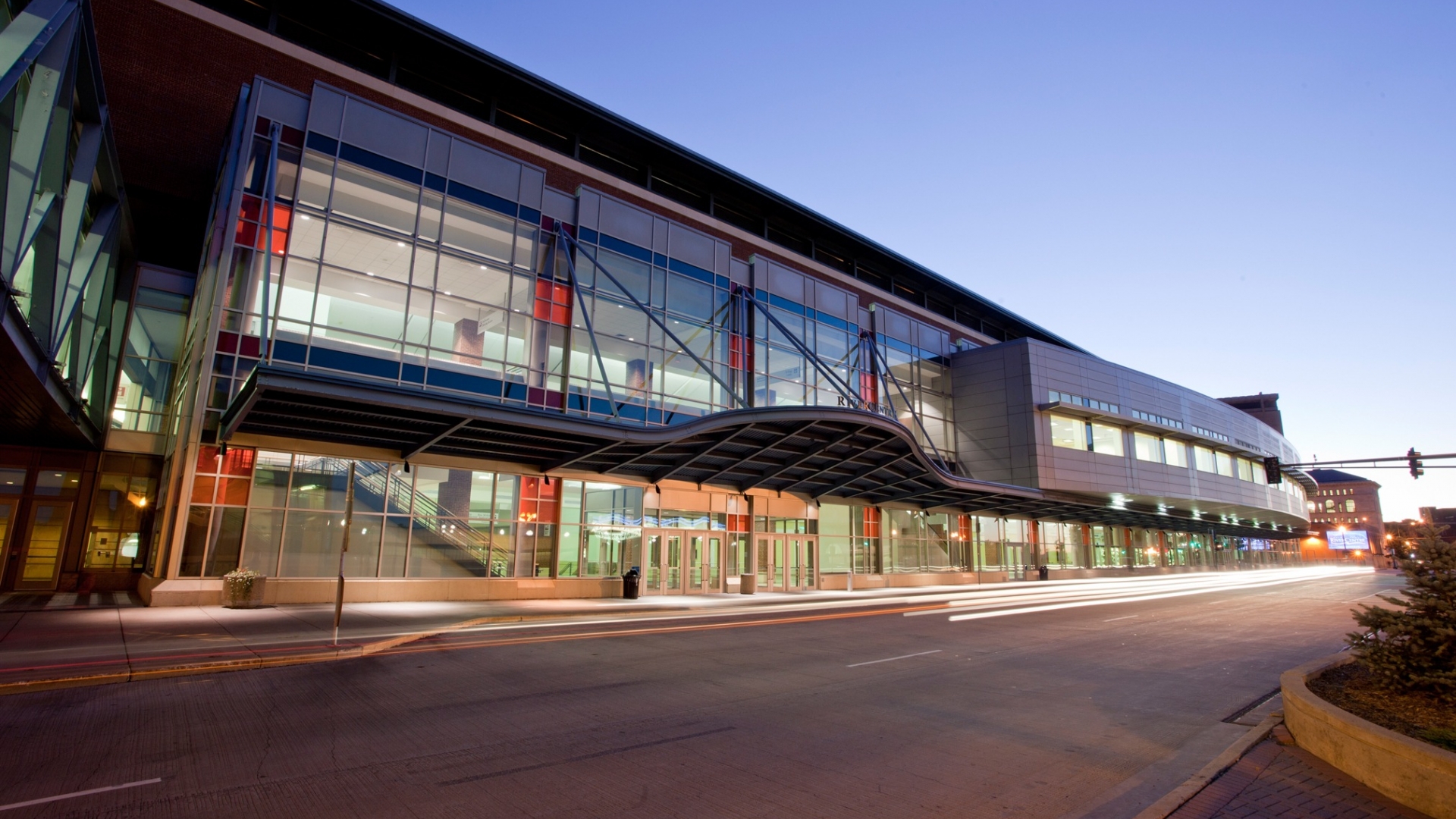
VenueSaint Paul RiverCentre
Minnesota Market Proof
Home Growers
Annual Home Grow Spend
Licensing pipeline
Preliminarily Approved Businesses
Cannabis Licenses Issued
Advanced Pipeline Runway
Cultivation demand
1-Year Regulated Plant CAGR
Licensed Cannabis Cultivators
New Cultivators Jun–Aug 2026
Recurring + adjacent demand
2025 LPHE Consumer Spend
Licensed LPHE Businesses
Cannabis Users / Registered Medical
Sources, assumptions & methodology
Official Minnesota counts are sourced to OCM. Market-sizing figures are CannaCon scenarios documented below; they are not OCM forecasts. License totals and business totals are kept separate where OCM permits one business to hold multiple licenses.
New facility & equipment demand
1,137 preliminarily approved applications are in cultivator, mezzobusiness, microbusiness, medical-combination, manufacturer or retailer categories. The displayed ~$171M scenario multiplies that count by a deliberately conservative $150K blended opening facility/equipment assumption. Actual spend varies widely by endorsement, footprint, indoor/outdoor model and existing real estate.
Home-grow demand pool and spend
The ~270K directional home-grow estimate applies Minnesota’s 2022-2023 adult past-year cannabis-use rate (25.21%) and OCM’s finding that 25% of surveyed past-year consumers reported home cultivation to the 2024 ACS estimate of 4.27M Minnesotans age 21+. The ~$90M annual spend pool then applies a conservative ~$333 annual spend assumption per grower. A 2026 survey of 440 engaged home growers reported a median 12-month spend of $250-$499, so the assumption sits inside that observed range. These are demand scenarios, not attendance forecasts.
License-stage definitions
As of Sept. 28, 2026, OCM reports 386 cannabis licenses issued, 1,225 applications preliminarily approved and 460 qualified applicants. Issued licenses are distinct from preliminary approvals and do not necessarily mean a business is already open to the public. Preliminary approvals have an 18-month window to complete local approvals, final plans and pre-licensure inspection; qualified applicants are an earlier stage.
Pipeline runway
The ~4.7-year figure is a gross arithmetic comparison of 1,685 qualified plus preliminarily approved applications against the 2026 issuance pace of about 0.99 licenses per day. It is not attrition-adjusted and should not be read as a forecast of future openings.
Regulated plant CAGR
OCM reports living plant inventory growing from 72,083 to 486,720 over the 12 months ending Sept. 2026. Over a one-year interval, that 575% increase is also a 575% CAGR. Minnesota legalized adult use in 2023, but the state’s first licensed cultivation activities did not begin until June 2025, so there is no defensible regulated-plant CAGR beginning at the 2023 legalization date.
LPHE annual market value
The $180M-$200M figure is a published estimate of Minnesota’s 2025 lower-potency hemp edible and beverage retail market. It is not an OCM sales total. The range is cross-checked against public reporting that Minnesota hemp products generated $16M in state tax revenue in 2025; tax-rate changes and the lack of an OCM standalone LPHE sales series prevent a more precise state-audited consumer-spend figure.
LPHE businesses vs. licenses
OCM reported more than 1,500 licensed hemp-derived THC businesses on Apr. 1, 2026. The Sept. 28 application table lists 2,024 LPHE licenses across retailer, manufacturer and wholesaler categories. Because OCM allows one business to hold multiple LPHE license types, the license total should not be presented as a de-duplicated company count.
Cannabis users and medical patients
The ~1.14M adult cannabis-user estimate applies SAMHSA’s 25.21% Minnesota past-year cannabis-use rate for adults 18+ to the 2024 ACS estimate of 4.50M Minnesotans age 18+. OCM reports more than 90,000 registered medical cannabis patients. Registered medical patients are part of the broader cannabis-user population, not an additional population to add on top.
Official and benchmark sources
- Minnesota OCM - Summary Application Data (Sept. 28, 2026) (opens in a new tab)
- Minnesota OCM - One Year In / market milestone (Sept. 15, 2026) (opens in a new tab)
- Minnesota OCM - Cannabis Market Monitor (opens in a new tab)
- Minnesota OCM - Cannabis Market Size and Growth Study (opens in a new tab)
- Minnesota OCM - LPHE business licensing update (Apr. 1, 2026) (opens in a new tab)
- U.S. Census Bureau - 2024 ACS Minnesota age profile (opens in a new tab)
- SAMHSA - Minnesota 2022-2023 NSDUH state estimates (opens in a new tab)
- Growthink - dispensary buildout and equipment benchmark (opens in a new tab)
- Terrapin Construction Group - 2026 indoor cultivation buildout benchmark (opens in a new tab)
- National Academies - facility maintenance benchmark as a share of replacement value (opens in a new tab)
- BudTrainer - State of Home Growing 2026 survey (opens in a new tab)
- Minnesota Cannabis Hub - 2025 LPHE market estimate (opens in a new tab)
- Congressional Record - Minnesota hemp tax revenue statement (2025) (opens in a new tab)
Who You'll Meet
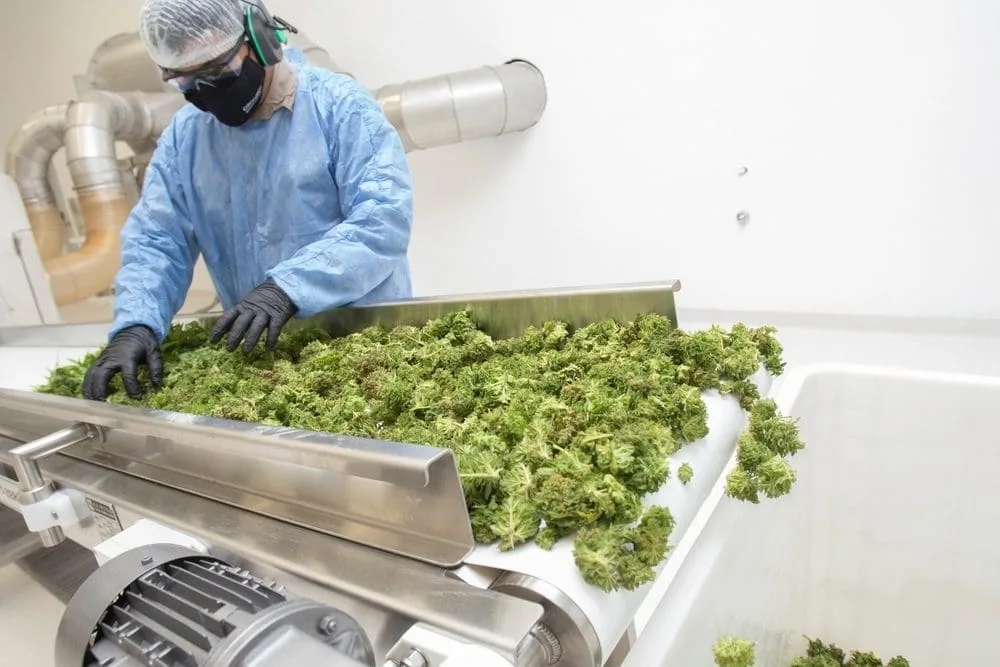
Operators & producers
Cultivators, manufacturers, processors and vertically integrated businesses building or scaling regulated operations.
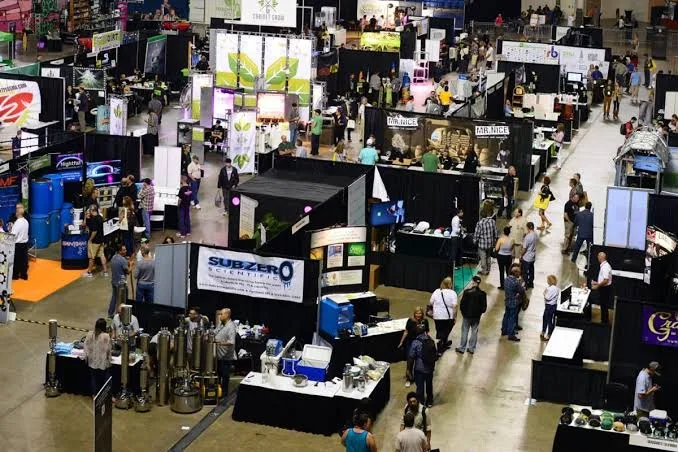
Retailers & brands
Adult-use, medical and lower-potency hemp businesses evaluating products, suppliers, merchandising and partnerships.
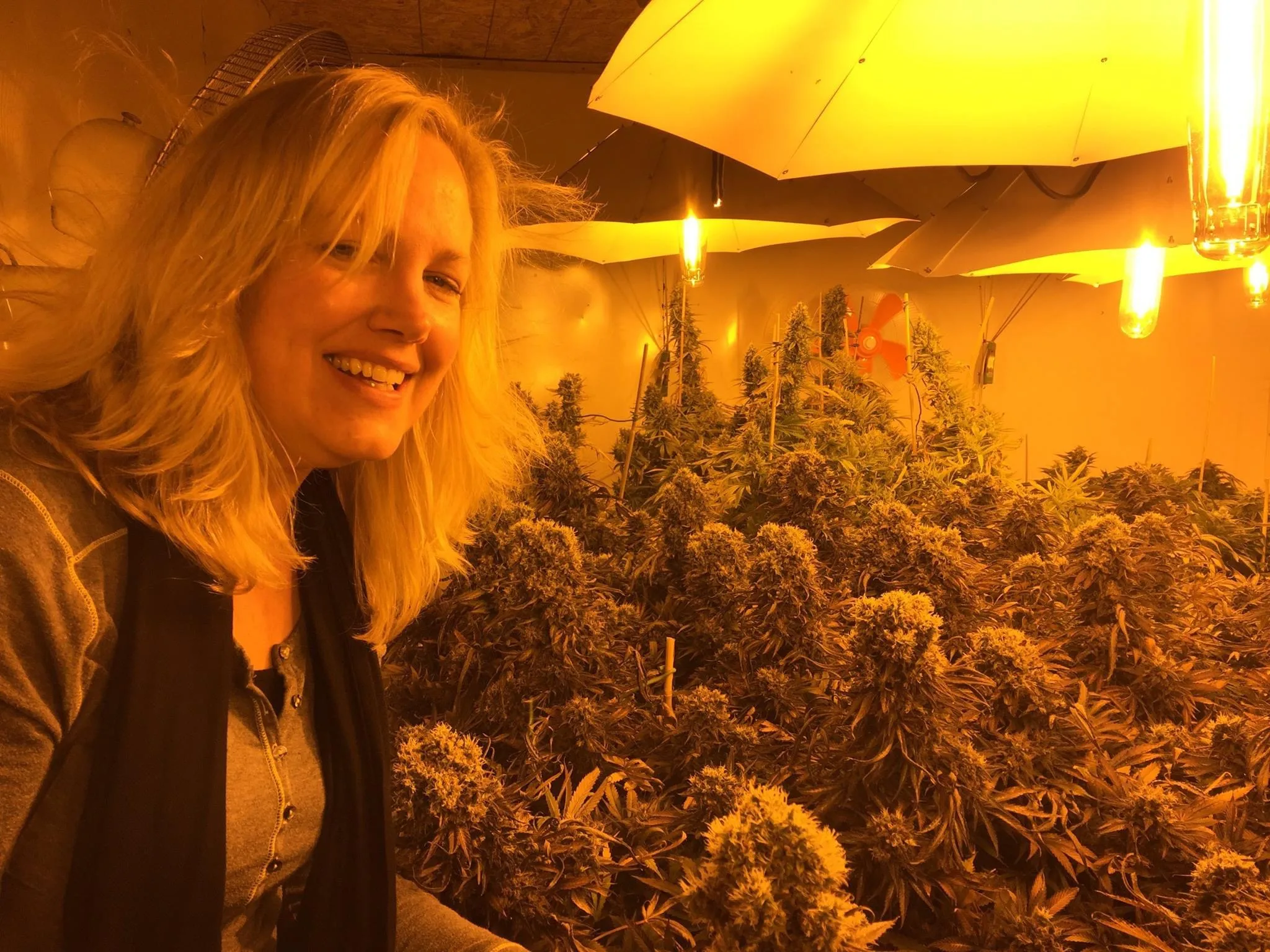
Home growers & community
Adult home growers, educators and community participants looking for genetics, equipment and practical knowledge.
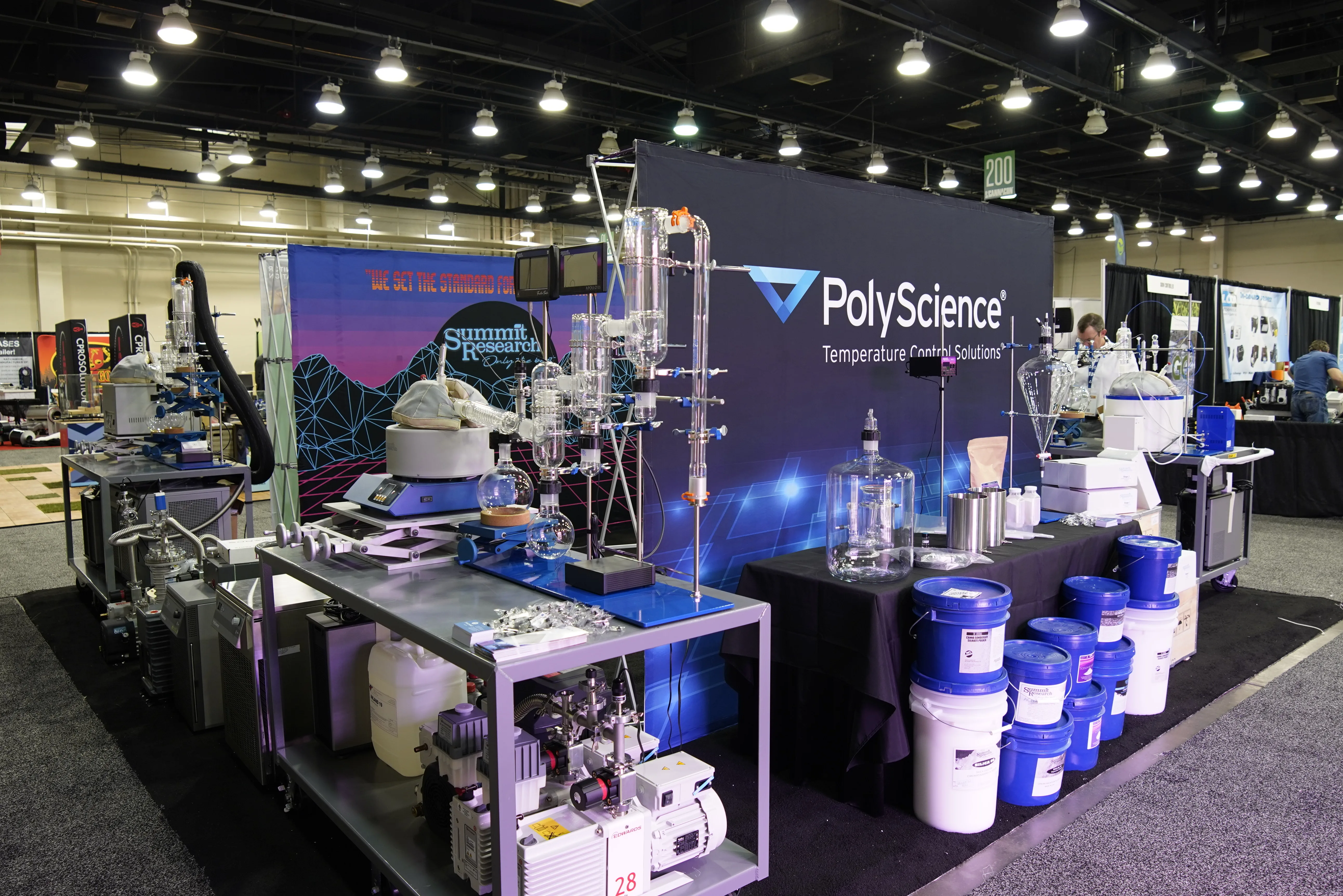
Suppliers & professional services
Equipment, packaging, technology, finance, compliance and service providers supporting Minnesota cannabis businesses.
Why This Matters for Exhibitors
- 01
New operators are choosing vendors
New businesses are selecting suppliers and establishing long-term relationships now.
- 02
Independent businesses need partners
They need equipment, services, technology, packaging, finance and operational support.
- 03
Multiple sectors are expanding
Cultivation, infused products, manufacturing, retail and home grow are all creating business opportunities.
- 04
Reach decision-makers early
CannaCon puts exhibitors in front of owners, operators, buyers and entrepreneurs while they’re still building their businesses.
CannaCon St. Paul
Minnesota’s cannabis market is being built right now.
Minnesota isn’t a mature cannabis market where vendor relationships were established years ago. New growers, manufacturers, retailers and independent operators are entering the market and choosing the equipment, suppliers, technology and business partners they’ll rely on.
Get in while Minnesota operators are choosing who they’ll do business with.